
Building sisif.ai: an AI Video API
How I went from 0 customers to growing MRR by abandoning traditional marketing
Key Lessons
- •Distribution beats product: find where your users already hang out
- •Platform-led growth lets you ride existing waves instead of creating your own
- •Tiered pricing unlocks revenue you're leaving on the table
- •Traditional indie marketing (Twitter, ProductHunt) is painfully slow for unknown founders
- •Stop polishing code, start finding customers
I spent 15 years as a backend and DevOps engineer, building production infrastructure and writing code I was proud of. I knew how to architect systems and ship reliable software. None of that prepared me for finding my first paying customer.
Starting from scratch
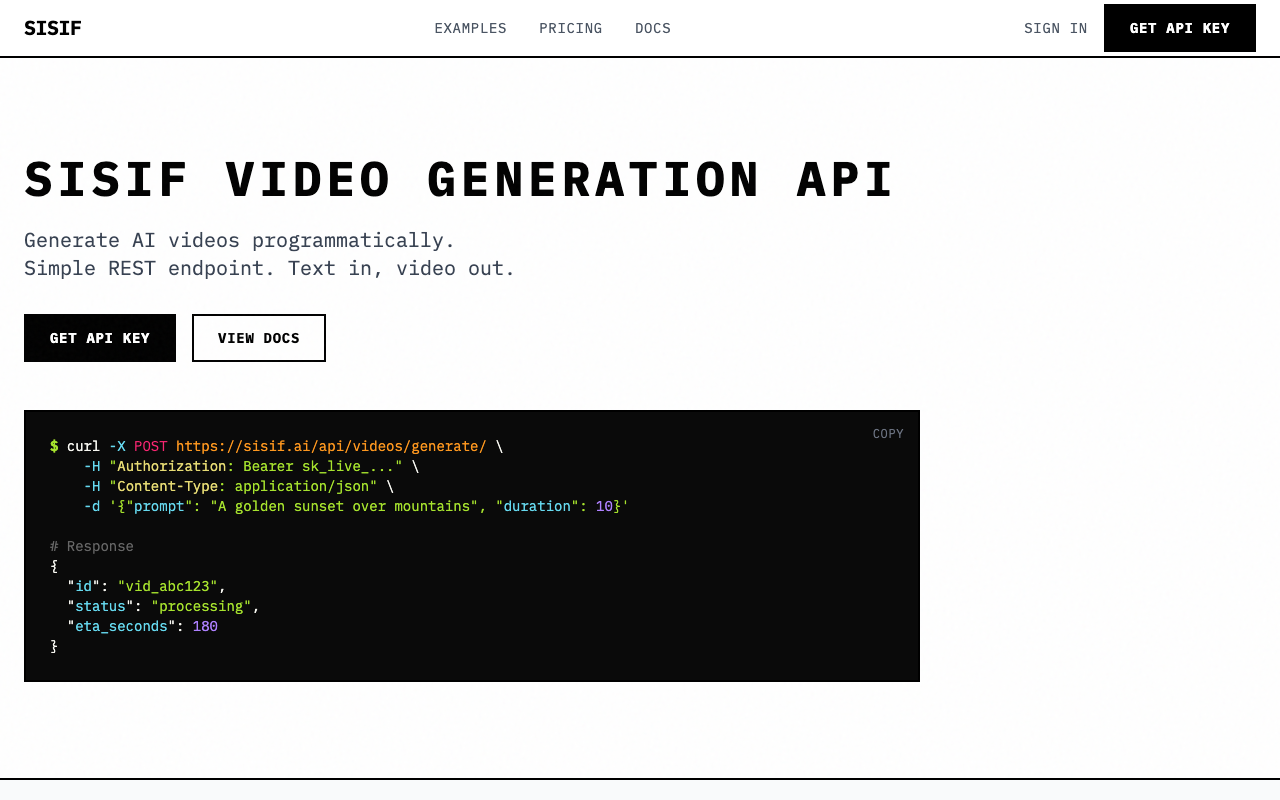
In December 2024, I started building sisif.ai: an AI video generation API that turns a text prompt into a video in 2-5 minutes. The tech was solid. I used SaaS Pegasus (a Django boilerplate) to move fast on the product side and focused my energy on the AI pipeline.
By early 2025, I had a working product. Time to get customers, right?
As an engineer, your instinct is to keep improving the product. Resist it. A mediocre product with great distribution will outperform a great product with no distribution every single time. Vlad spent months polishing sisif.ai before realizing that nobody knew it existed. The hardest shift for technical founders is accepting that code quality doesn’t drive revenue.
The zero-customer desert
I did everything the indie hacker playbook says. I posted on Twitter/X. I launched on ProductHunt. I wrote threads about building in public. I invested time in SEO.
The result? Zero paying customers. Eight Twitter followers. A perfectly functional product that nobody was using.
This wasn’t a product problem. It was a distribution problem. And it forced me to confront something uncomfortable: all the marketing channels that work for founders with existing audiences are nearly useless when you’re starting from zero.
Building in public, Twitter threads, and ProductHunt launches all share the same assumption: someone is already listening. If you have 12 followers, tweeting into the void won’t generate customers. Vlad tried the standard playbook for months and got nothing. These channels compound over time, but if you need traction now, you need to go where attention already exists.
The n8n breakthrough
The turning point came when I stopped trying to build my own audience and started borrowing someone else’s. I discovered n8n, the workflow automation platform, and realized its community was full of people who needed exactly what sisif.ai offered: a simple API to generate videos programmatically.
I built workflow templates. A TikTok automation workflow. An Instagram Reels generator.
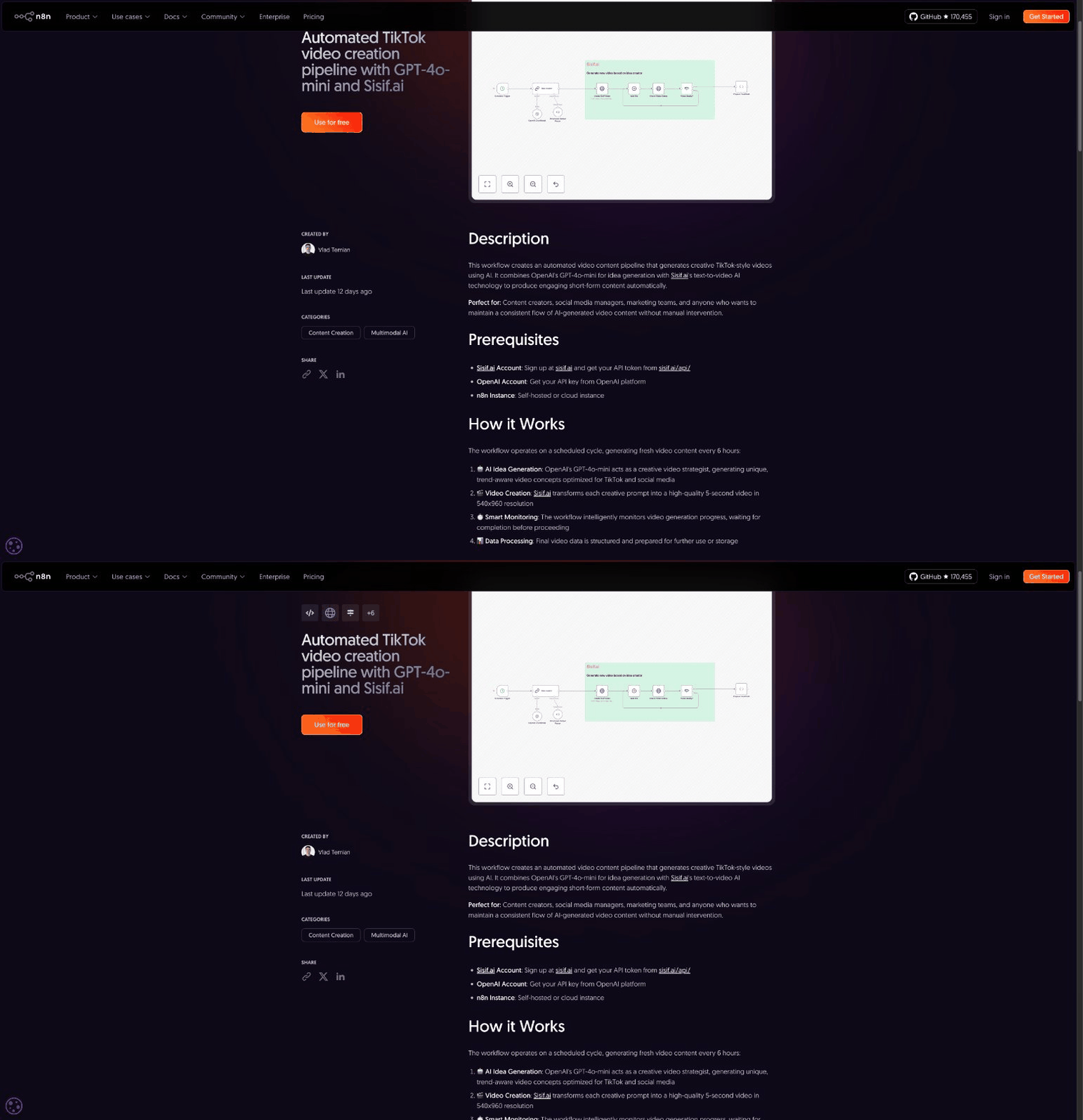 Each template showed how sisif.ai plugged into a workflow people already wanted to build.
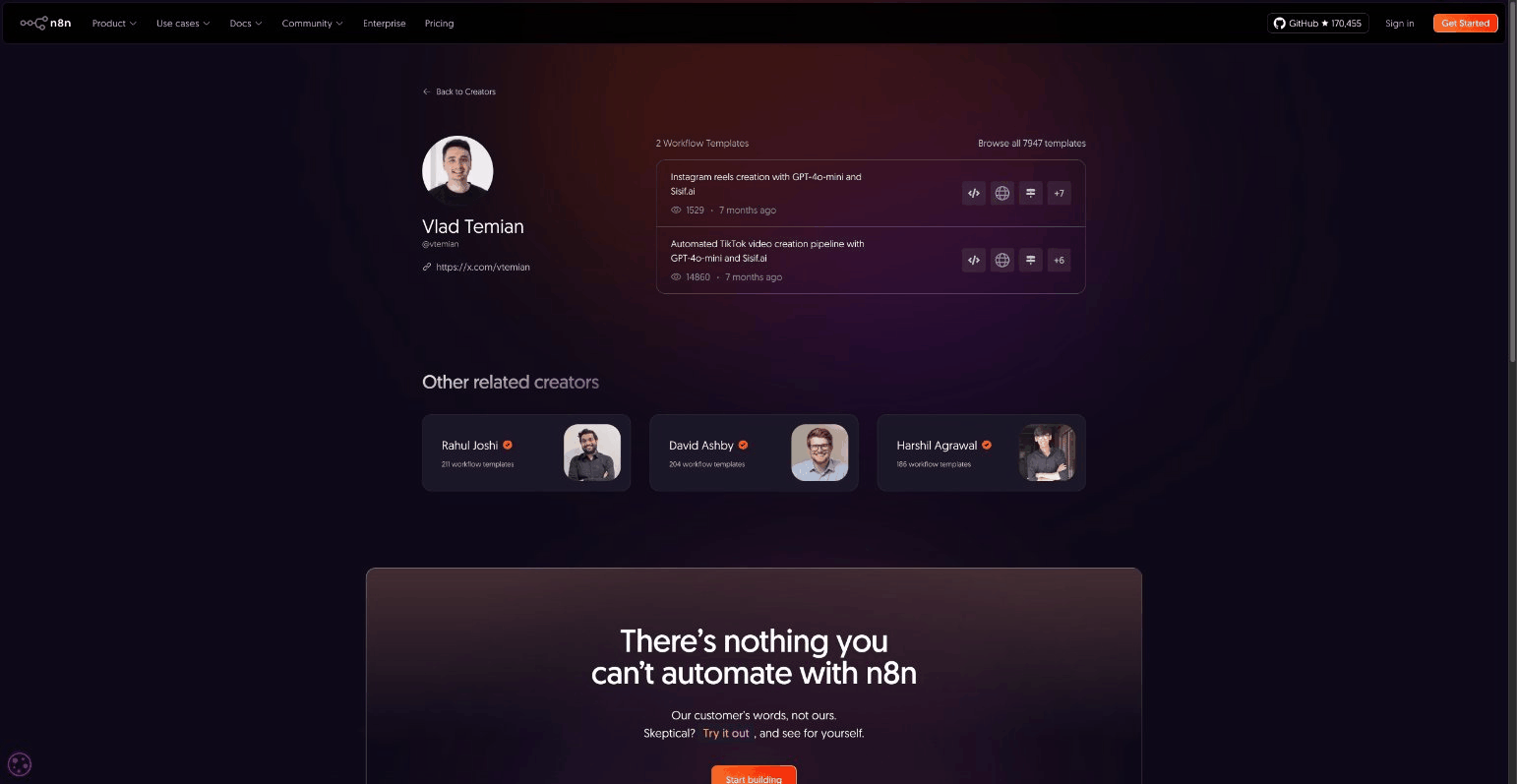
The templates got thousands of views. Signups started flowing in. Not because I’d cracked some marketing code, but because I’d put my product where people were already looking for solutions.
Instead of building your own audience from scratch, find platforms where your target users already gather. Vlad built n8n workflow templates (TikTok automation, Instagram Reels) that showcased sisif.ai’s API. The templates got thousands of views and drove real signups. The key is contributing genuine value to the platform’s ecosystem, not just dropping links.
Pricing: the 4x MRR lesson
My first pricing was simple: $9/month, one plan. It felt “fair.” It was also leaving money on the table.
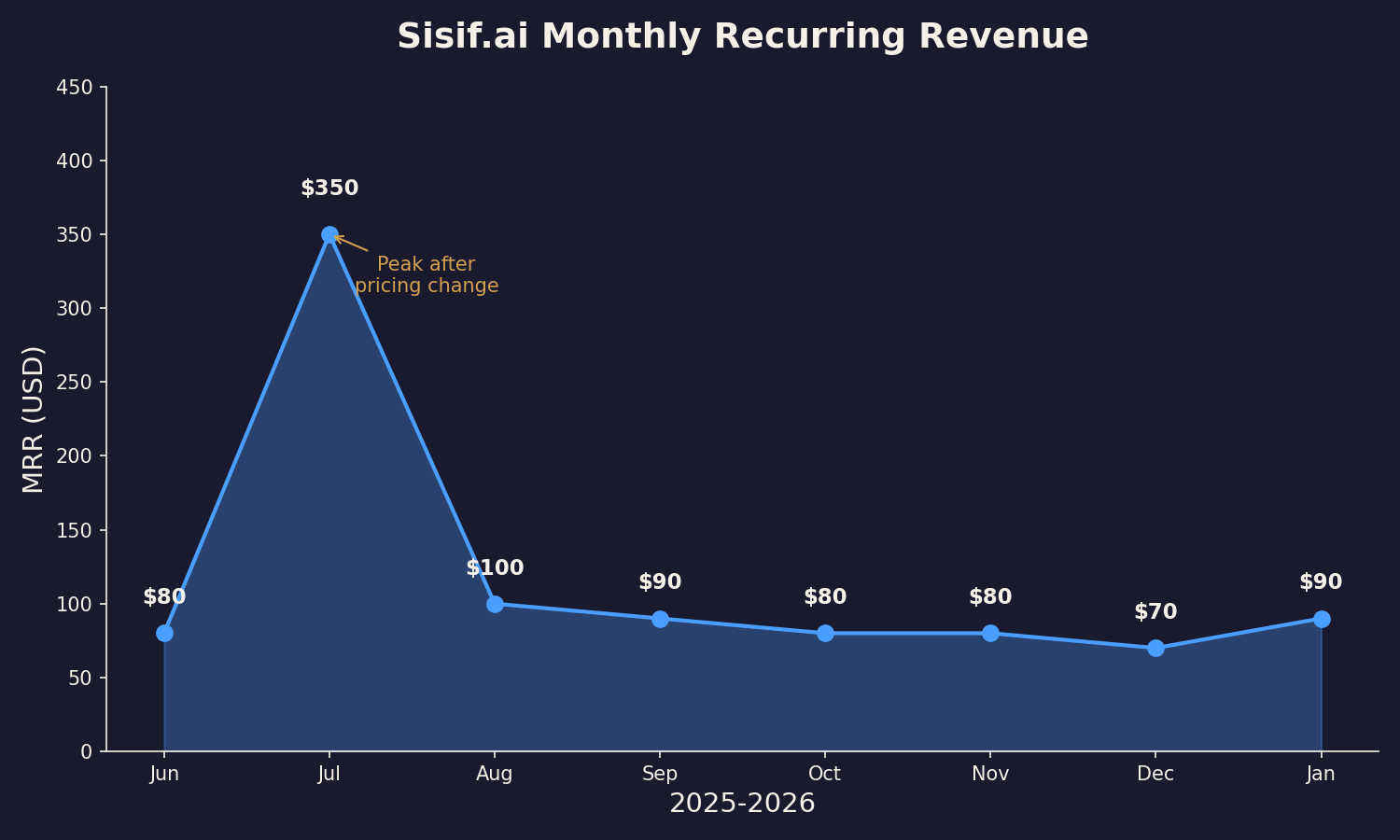
When I switched to tiered pricing ($10/$50/$200), MRR jumped 4x. Some users needed the basic tier. Others were running production workflows and happily paid $200/month for higher limits. A single price point forces everyone into the same box, and most of them don’t fit.
Vlad’s single $9/month plan seemed simple and fair. Switching to three tiers ($10/$50/$200) increased his MRR by 4x. The lesson: different users get different amounts of value from your product. A hobbyist and a business running production workflows should not pay the same price. Start with tiers early. You can always simplify later, but you can’t recover the revenue you’ve been leaving on the table.
What I know now
The engineer in me wanted to build the best AI video pipeline. The indie hacker I’m becoming knows that distribution is the whole game. A product that reaches the right people will always beat a product that’s technically superior but invisible.
Vlad had a working AI video API and zero customers. The product didn’t change when he started getting signups. The distribution did. If you’re a technical founder, this is the hardest pill to swallow: the market doesn’t reward the best product. It rewards the product that shows up where buyers are looking. Spend at least half your time on distribution, especially in the early days.
The playbook that worked: stop shouting into the void. Find a platform where your users already live. Build something valuable for that community. Let the platform’s existing traffic do the heavy lifting. Then price your product to capture the value you’re actually delivering.
Advice extracted from this journey
 Mindset
Stop polishing code, start finding customers
As an engineer, your instinct is to keep improving the product. Resist it. A mediocre product with great distribution will outperform a great product with no distribution every single time. Vlad spent months polishing sisif.ai before realizing that nobody knew it existed. The hardest shift for technical founders is accepting that code quality doesn't drive revenue.
MindsetTwitter and ProductHunt are slow for unknown founders
Building in public, Twitter threads, and ProductHunt launches all share the same assumption: someone is already listening. If you have 12 followers, tweeting into the void won't generate customers. Vlad tried the standard playbook for months and got nothing. These channels compound over time, but if you need traction now, you need to go where attention already exists.
 Distribution
Ride existing waves with platform-led growth
Instead of building your own audience from scratch, find platforms where your target users already gather. Vlad built n8n workflow templates (TikTok automation, Instagram Reels) that showcased sisif.ai's API. The templates got thousands of views and drove real signups. The key is contributing genuine value to the platform's ecosystem, not just dropping links.
 Business & Legal
Tiered pricing unlocks hidden revenue
Vlad's single $9/month plan seemed simple and fair. Switching to three tiers ($10/$50/$200) increased his MRR by 4x. The lesson: different users get different amounts of value from your product. A hobbyist and a business running production workflows should not pay the same price. Start with tiers early. You can always simplify later, but you can't recover the revenue you've been leaving on the table.
DistributionDistribution beats product, every time
Vlad had a working AI video API and zero customers. The product didn't change when he started getting signups. The distribution did. If you're a technical founder, this is the hardest pill to swallow: the market doesn't reward the best product. It rewards the product that shows up where buyers are looking. Spend at least half your time on distribution, especially in the early days.