Indie TM #17: When the Code Got Cheap
What we learned at our seventeenth meetup, where Zoltan came back with TypeUI after AI cut Flowbite's revenue, and the room told him to measure the path and ask on day 30

Two weeks after Indie TM #16, where a fax was told to stay simple, we went back to Cowork. Zoltan had the screen. The last time was Indie TM #6: a library at 70k a month, and a CLI that did not charge. This night the library had been hit, and TypeUI was the business. The years up to the peak are in his Flowbite journey. The new chapter is in his TypeUI journey. This recap is what the room did with it.
The invoices stopped
Zoltan put the old numbers up first. Flowbite took in between 2 and 3 million euros over five years, at a margin near 70% after tax, from Bergside. Then the models made component code cheap. The drop began in November. Three months took about 70 percent. The full fall was 90 to 95 percent.
The open-source project did not go with the revenue. Flowbite still does more than 500,000 downloads a week on npm.
He started TypeUI in February. A Reddit post carried the launch and reached close to a million views.
A skill is a file
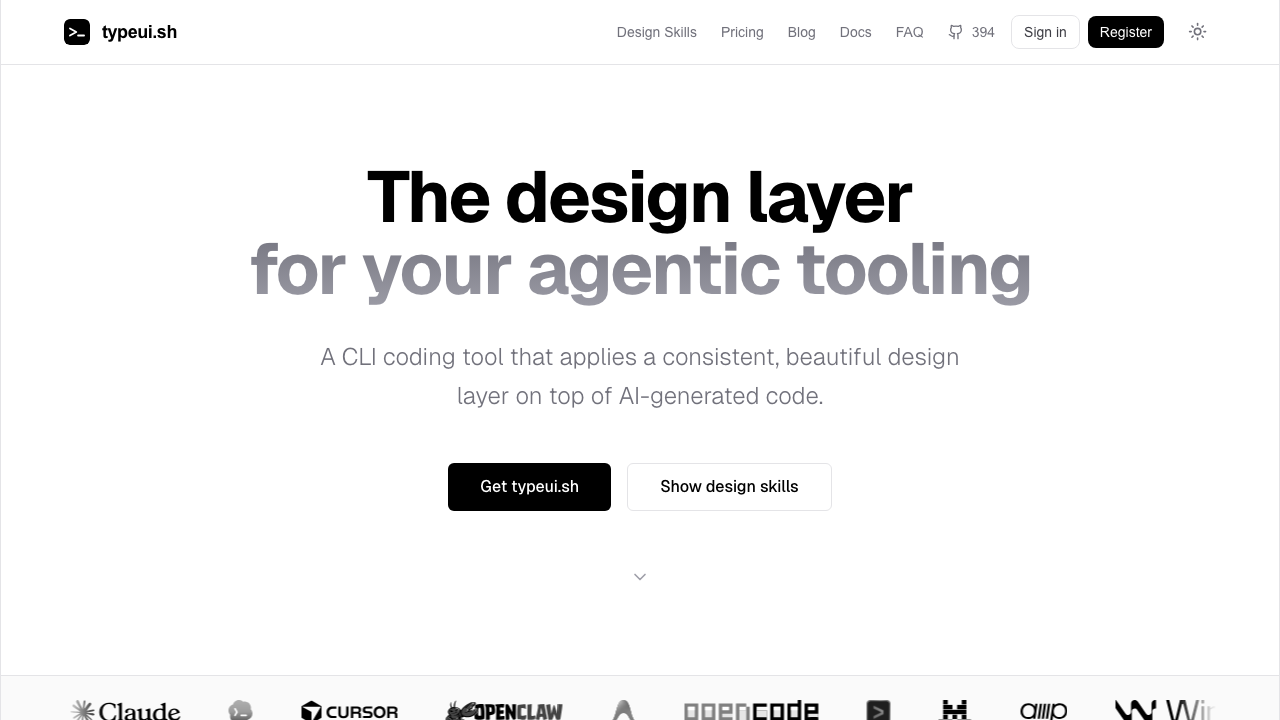
Creative is the design half. He called it the source of truth for the model. A design skill is markdown: buttons, navigation, spacing, accessibility. His co-founder Robert, who has fifteen years in UI and UX, wrote those files. Zoltan would rather hand a model that file than start the job in Figma.
Creative is $30 a month. The plan adds animations, sound effects, a BrandKit, and UI and UX audits.
He showed two sites built like Airbnb. He changed the colors. The feeling stayed. That was the demo for the skill. The demo that mattered came from the other product.
A pretty path can still lose 79.82%
Insights is analytics on Cloudflare. Heatmaps, dead clicks, rage clicks, scroll depth. He does not trust a traffic number that cannot say what the person did.
They sent new users straight to the pricing page and skipped login. Signups fell 79.82%. The recording showed the break. They put the path back.
Session review does the slower job: follow one person, and find the step where the funnel drops them.
He is building a Chrome extension so those clicks show on the live site, not only in a dashboard. He also wants a model, over MCP, that reads the sessions and names the dead clicks and the loading stalls.
TypeUI’s recurring revenue sits between $4,000 and $6,000 a month.
Growth, then the channels
The long plan has three names: Creative, Insights, and Growth. Growth would test pieces of UI on its own. Half the visitors see one version. Half see the other. The design the tool can generate gets tied to the conversion it earns. He talked about as much as 30% more revenue. He has not shipped that test.
Mobile waits until the website version is proven. He also wants subscribers who will mark up landing pages, a feedback loop that doubles as public proof.
Then the room went to acquisition. Google brings 34%. Direct brings 25%. Reddit brings 10.9%. X and GitHub are in the rest. Conversion is 0.3% to 0.5%. Desktop is 87% of the traffic.
TypeUI already gets 34% of its visits from Google, 25% direct, and 10.9% from Reddit, on a 0.3% to 0.5% conversion. The room’s next content bet was AIO: posts and comparison tables written so a model quotes them when someone asks what to use. A blog that only chases a keyword misses the answer box. Name the alternatives, put the differences in a table, and make the page specific enough that a model can lift it. Search still sends people. The citation is the new distribution.
The other channel he has already used is a small tool inside someone else’s product. A Chrome extension and a Figma plugin collect backlinks, and they sit in the apps where a designer is already working.
Zoltan’s guerrilla channel was a Chrome extension and a Figma plugin: a backlink, plus a person who is already trying to design. That is higher intent than a post hoping someone wanders in from Google. If your buyer lives inside one tool all day, put a small useful piece of your product there. The install is the introduction. The subscription can come after they have felt the time you saved.
The price argument was time. Thirty dollars a month has to buy back more than thirty dollars of hours. A forced watermark on generated pages was the obvious proof. The room preferred a showcase of sites customers have shipped.
They also wanted a number. Ask, from 1 to 10, whether a customer would recommend TypeUI. Ask again at day 30, when the first month ends, and ask the people who leave.
TypeUI is at $4,000 to $6,000 a month, and the room did not want another feature before a score. Ask customers, from 1 to 10, if they would recommend it. Ask again when the first month ends, including the people who cancel. A showcase of shipped customer sites does the public proof. A watermark on the output is a tax. The day-30 answer tells you whether the $30 plan bought back the hours you promised, while the person still remembers the first month.
Seventeen editions in
Edition sixteen asked how much automation you can add before the first session gets lost. Edition seventeen asked what you sell after the code is free. A markdown file the model has to follow, and a chart that shows when the redesign failed. See you at the eighteenth.
Advice from this event
 SEO
Write the page you want a model to cite
TypeUI already gets 34% of its visits from Google, 25% direct, and 10.9% from Reddit, on a 0.3% to 0.5% conversion. The room's next content bet was AIO: posts and comparison tables written so a model quotes them when someone asks what to use. A blog that only chases a keyword misses the answer box. Name the alternatives, put the differences in a table, and make the page specific enough that a model can lift it. Search still sends people. The citation is the new distribution.
 Distribution
Ship a plugin where the buyer is already working
Zoltan's guerrilla channel was a Chrome extension and a Figma plugin: a backlink, plus a person who is already trying to design. That is higher intent than a post hoping someone wanders in from Google. If your buyer lives inside one tool all day, put a small useful piece of your product there. The install is the introduction. The subscription can come after they have felt the time you saved.
 Business & Legal
Ask on day 30, on a scale from 1 to 10
TypeUI is at $4,000 to $6,000 a month, and the room did not want another feature before a score. Ask customers, from 1 to 10, if they would recommend it. Ask again when the first month ends, including the people who cancel. A showcase of shipped customer sites does the public proof. A watermark on the output is a tax. The day-30 answer tells you whether the $30 plan bought back the hours you promised, while the person still remembers the first month.
Join the next meetup
We meet regularly in Timisoara to share what we're building, swap tactics, and roast each other's products. Everyone is welcome.
Join us on Luma