
Indie TM #5: SEO Tactics That Actually Work
What we learned at our fifth meetup at Cowork Timisoara
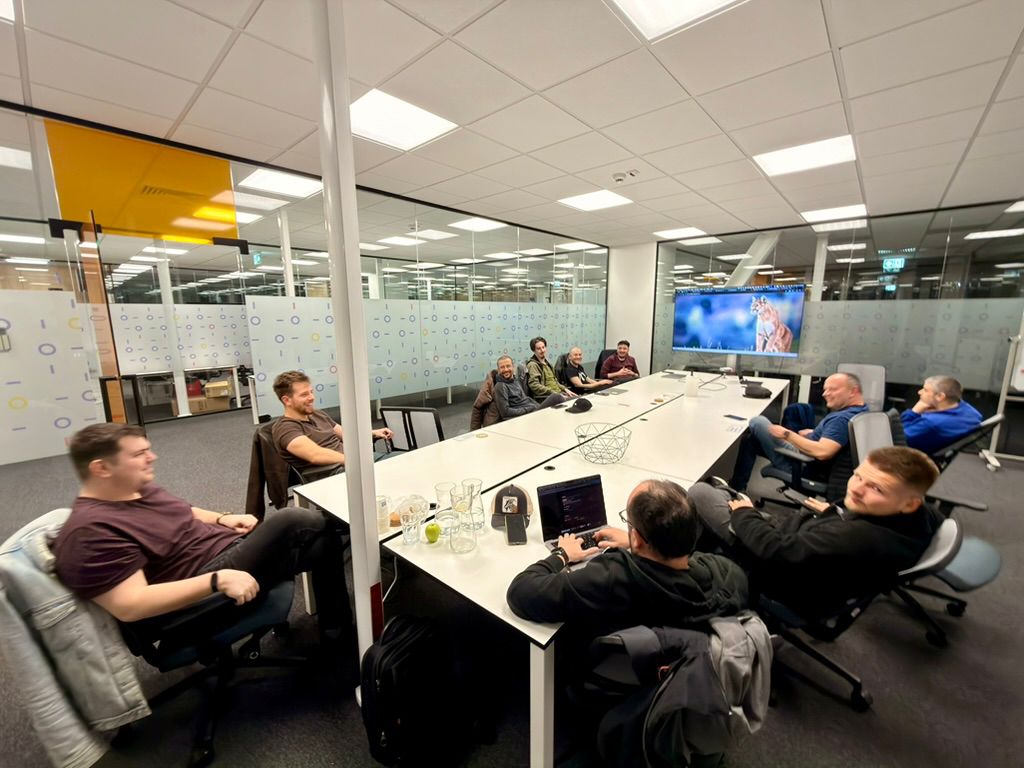







Eleven people, one conference table, a Thursday evening in Timisoara. The format was simple: each person gets seven minutes to present what they have been working on, then the room roasts it. No polite nods, no “looks great.” Tell me what’s wrong.
Raul goes first
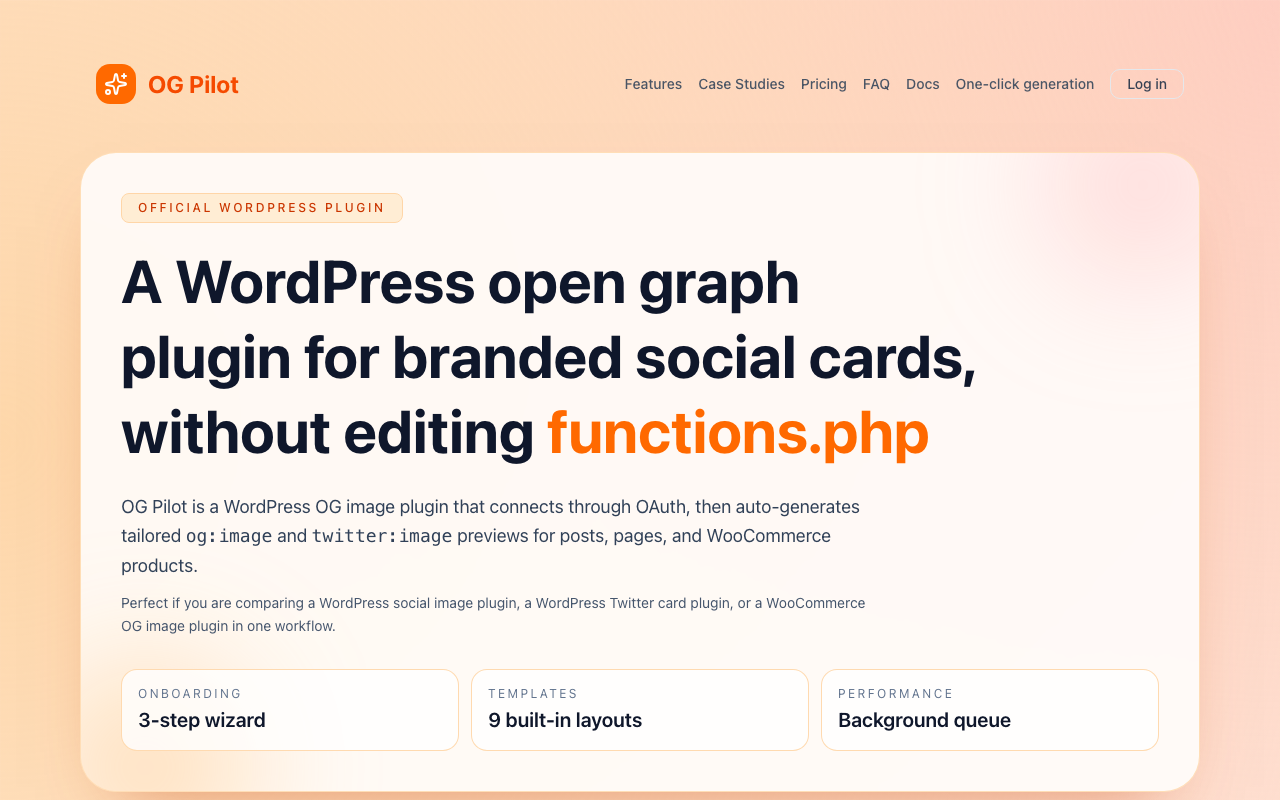
Raul pulled up OG Pilot on the big screen. He walked through the recent changes: a cleaner dashboard, a better template editor, and the thing he was most excited about, a brand-new WordPress plugin.
One click to install, and every post on a WordPress site gets a branded Open Graph image automatically. No design skills needed.
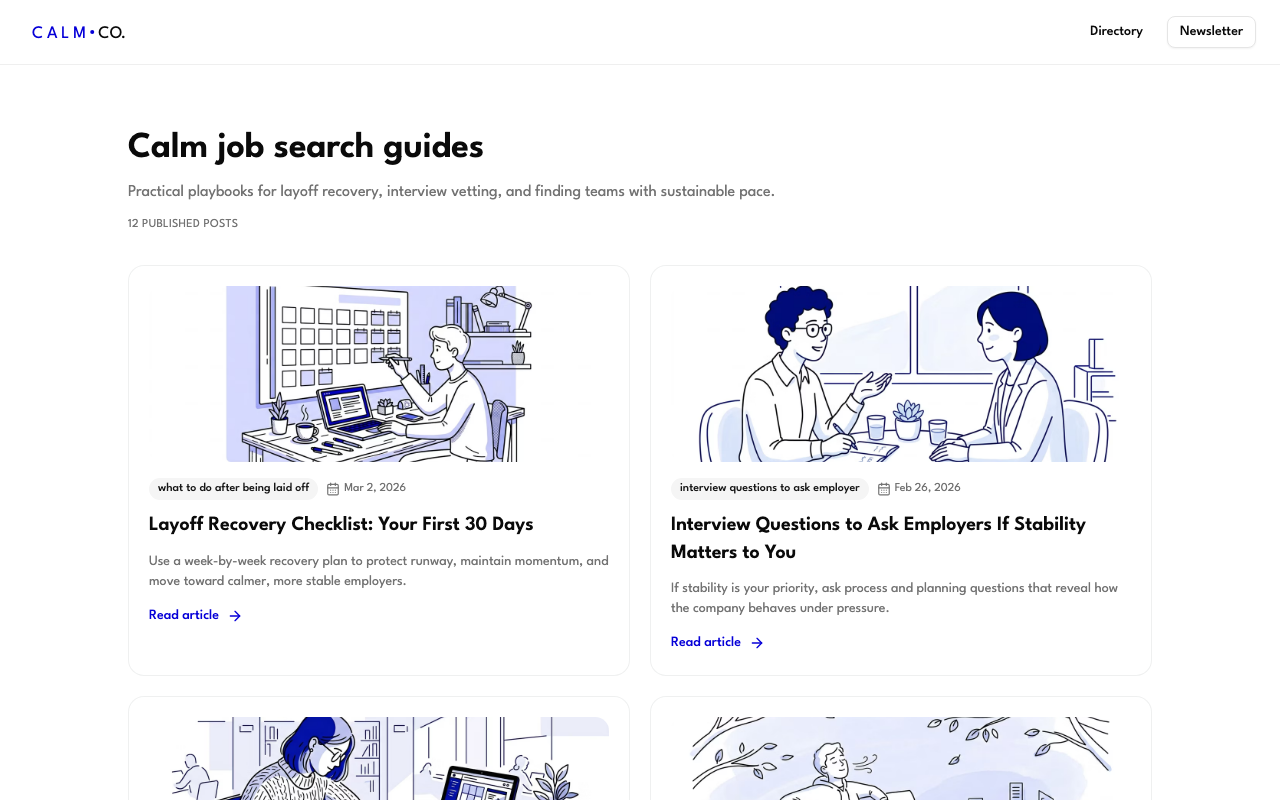
Then Raul switched tabs to the Calm Companies Club blog and showed how he was using NanoBanana to generate featured images for his posts. Instead of spending 20 minutes in Canva per article, he described the post topic, NanoBanana generated an image, and he was done. The blog looked polished without the manual effort.
The conversation shifted to content strategy more broadly. Raul had been experimenting with different formats beyond text-only blog posts, and shared what was actually moving the needle.
Use Loom or similar tools to record product walkthroughs with your face visible in the corner. People trust faces. These videos work as blog post embeds, YouTube content, and social proof simultaneously. Pages with face-in-corner walkthroughs consistently convert better than text-only pages.
Infographics get shared and linked to far more than plain text. Create one per major blog post. Use Canva or Figma to visualize your key data points, then offer an embed code below the image so other bloggers can easily reuse it. This is one of the most reliable passive backlink strategies.
Create profiles and content on high-authority platforms. Write a Blogger post linking to your product. Add your tool to relevant Wikipedia lists (following their guidelines). Create a YouTube video and include your link in the description. Each of these platforms passes significant domain authority through their backlinks.
Vlad showcases sisif.ai and getnanoclaw
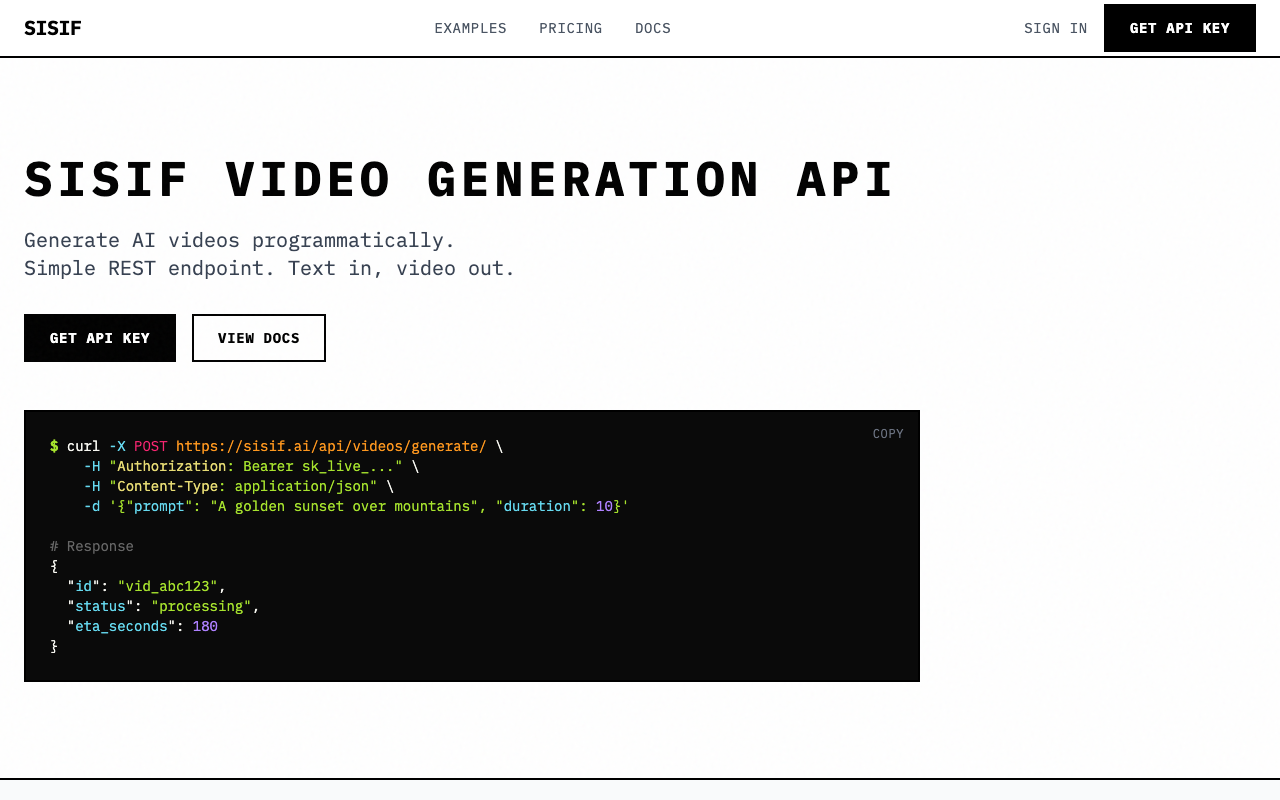
Vlad was up next. He pulled up sisif.ai and walked through the programmatic SEO pages he had been building: landing pages targeting specific platforms and locations, each with real content rather than just a swapped city name in a template.
Integrate with Zapier, Make.com, n8n, and other workflow tools. Each platform gives you a listing page with a backlink to your domain. The integration itself doesn’t need to be complex: even a simple webhook trigger is enough to get listed. This is free, permanent, and builds domain authority over time.
Build pages targeting “[product/service] in [city/country]” and “[integration] in [city/country]” combinations. Automate the page structure but keep the content genuine. Each page should have real, location-specific information, not just a city name swapped in a template. This is how you capture long-tail local search traffic with almost no competition.
getnanoclaw gets roasted
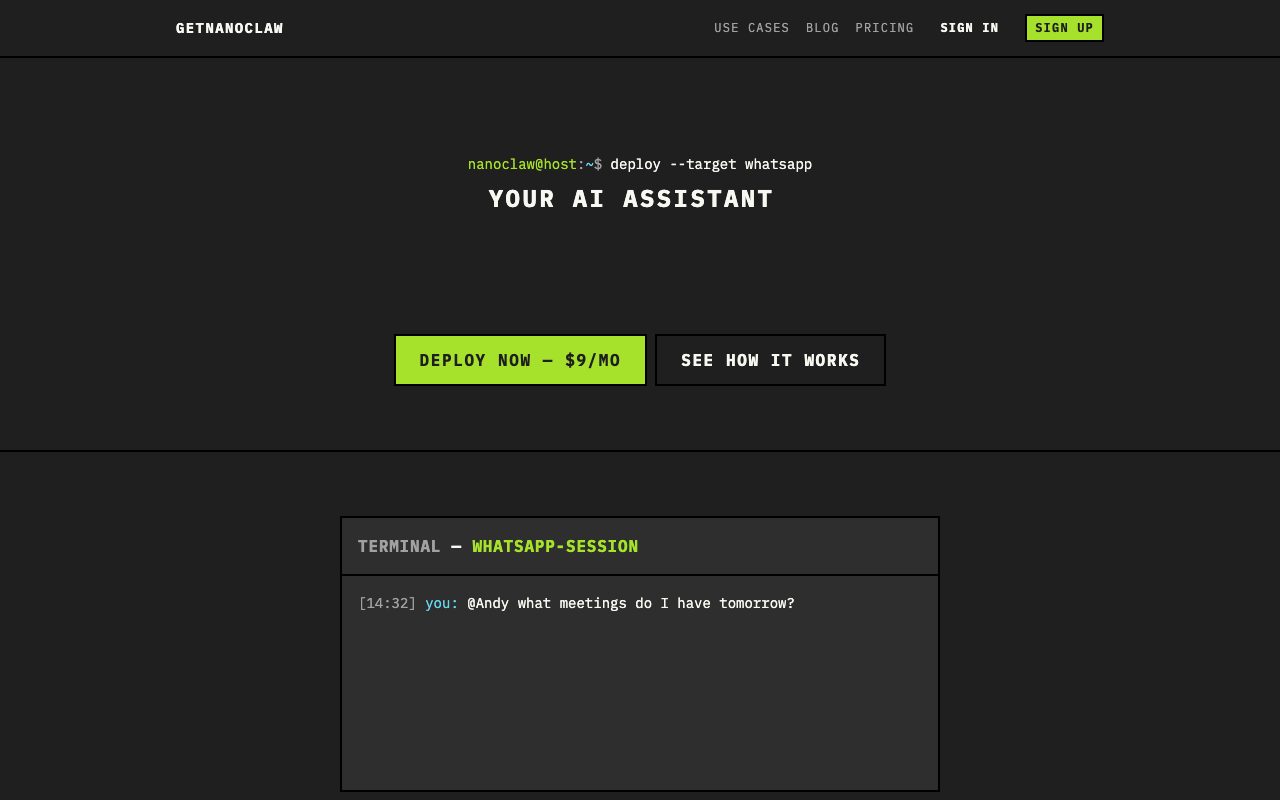
For his second product, Vlad showed getnanoclaw, a personal AI assistant that runs on WhatsApp. The pitch: deploy a Claude-powered chatbot in under two minutes, no servers, no terminal. The room had questions. Lots of questions. Who is this for? Who are the actual users? Small businesses? But it requires an Anthropic API key, which is not something a small business owner knows how to get. The interface felt too programmatic, too developer-friendly for the audience it was trying to reach. If the target is non-technical people, the onboarding needs to meet them where they are, not where a developer would be comfortable.
It was the kind of honest feedback that only comes when people aren’t being polite.
Mircea demos Blahphone
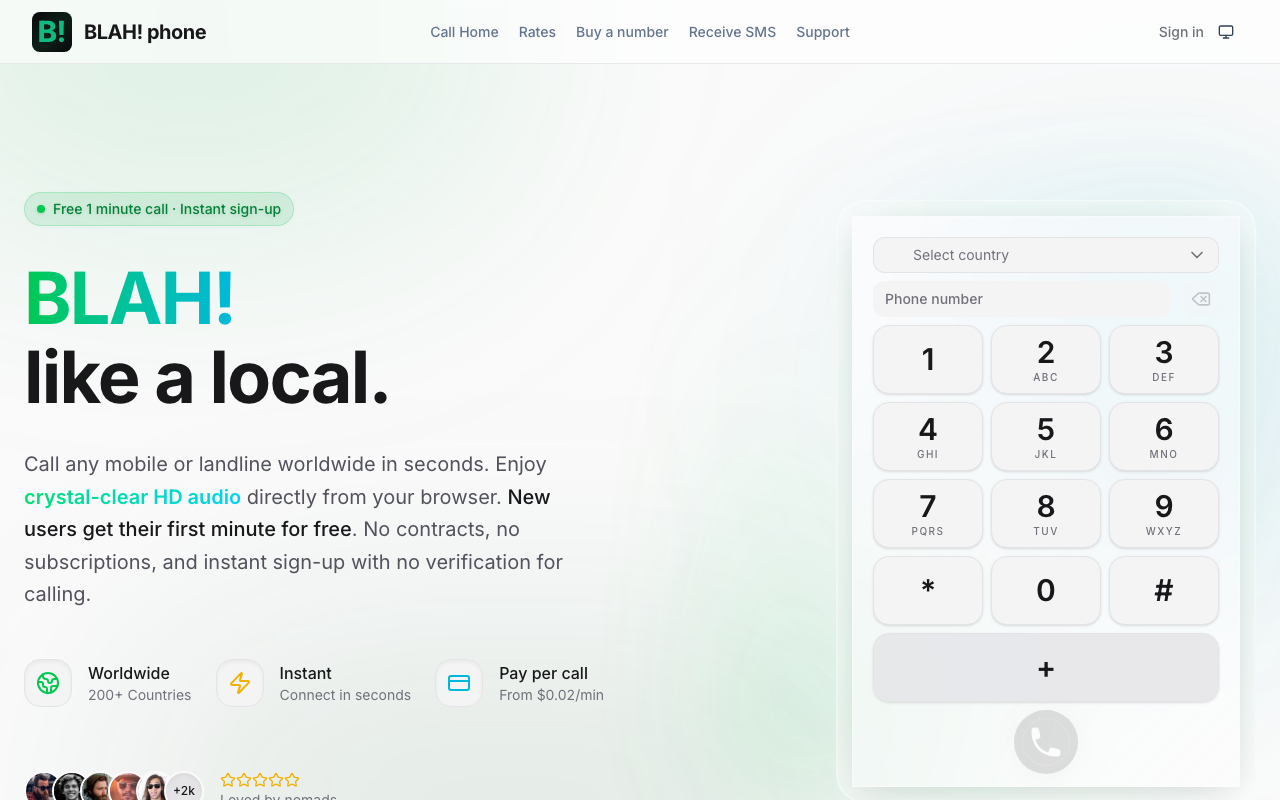
Mircea was next. He pulled up Blahphone, his browser-based international calling service, and gave the room a live demo. The product looked solid, and the programmatic SEO setup impressed the group: he had built out pages targeting specific calling routes and countries, each ranking well. The roasting focused on the same question that kept coming up all evening: who is actually using this? The group pushed Mircea to get sharper on his user persona and figure out where those people already hang out.
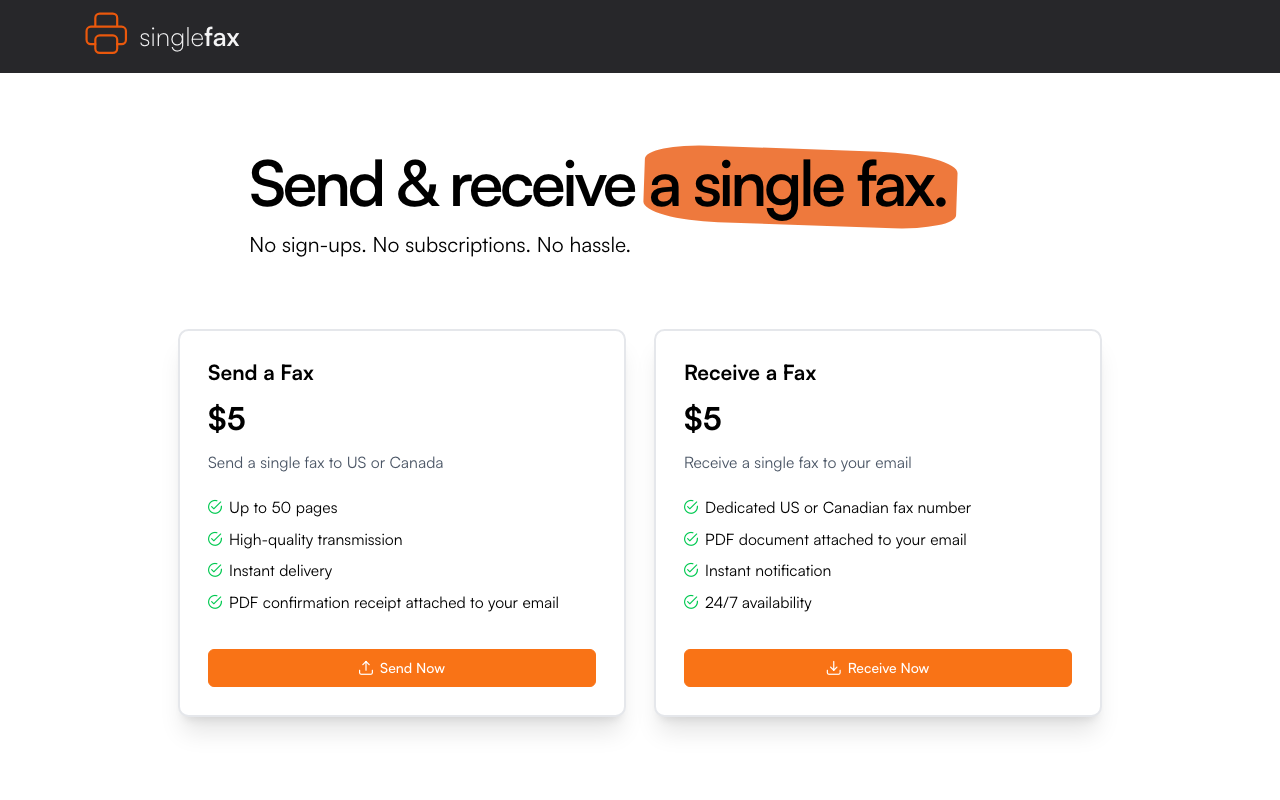
Beyond Blahphone, Mircea had been methodically building backlinks for both Blahphone and SingleFax. His approach was almost comically systematic: list every high-authority platform that lets you create a profile with a link back to your site, then work through them one by one.
Even if your product is primarily web-based, publish a simple mobile wrapper to the App Store and Google Play. The backlinks from apple.com and google.com are extremely high authority. A basic WebView wrapper with push notifications takes a weekend to build and gives you two of the strongest backlinks on the internet.
Someone pushed back on the app store wrapper idea, asking whether Google penalizes thin app listings. Mircea’s answer: he had been doing it for over a year with no issues, and the domain authority lift was measurable.
Every page on your site should link to at least 2-3 other relevant pages. Internal linking helps Google discover your content, distributes page authority, and keeps visitors engaged longer. Audit your site for orphan pages (pages with zero internal links pointing to them) and fix them. Use descriptive anchor text, not “click here.”
Mihai shows OCRskill
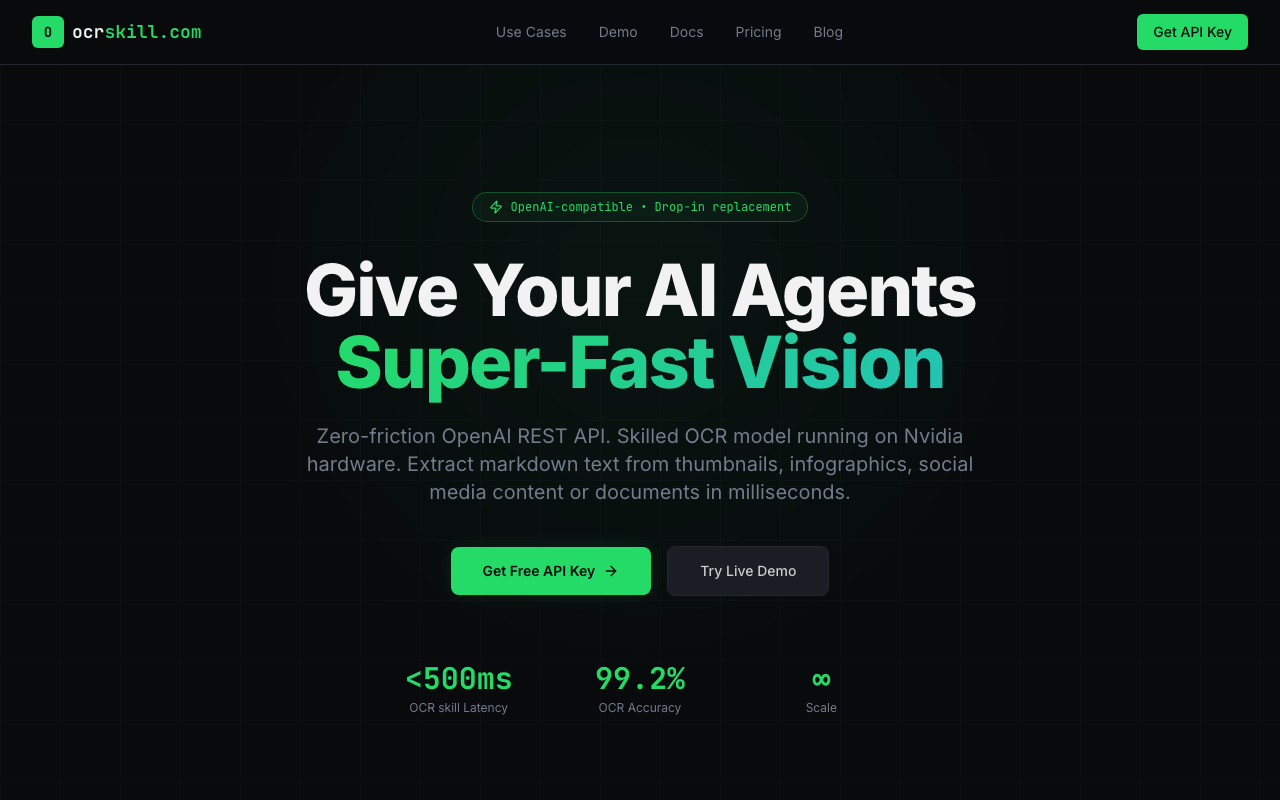
Mihai was up next with OCRskill, his OCR API that extracts structured data from images in under 500ms. The room was impressed. The product was sharp, the demo clean, and the questions quickly turned technical: what models are you using, how do you handle edge cases, what’s the latency under load? Mihai had clearly been paying attention to the SEO discussion all evening. He took notes on every piece of advice, then started asking follow-up questions: how to apply programmatic pages to an API product, whether FAQ schema makes sense for developer tools, how to structure trust pages when your customers are other developers.
Petru brings the big-domain perspective
Petru was next, and he brought a different kind of experience to the table. He works on Kink.com, one of the oldest domains on the web. The room was immediately curious about the SEO behind a site with that kind of domain age and authority. Petru had the most SEO advice of the evening, walking through the structural work that compounds over time.
Write real, human-authored FAQ sections for every page on your site. Use FAQPage structured data so Google can surface your answers as rich results. The key is writing questions your users actually ask, not keyword-stuffed filler. Check Google Search Console for queries people already use to find you, then answer those directly on the page.
Google evaluates trust signals when ranking your site. A Careers page, an About Us page, Privacy Policy, Terms of Service, and content showcasing team building experiences all signal that there is a real organization behind the site. Include team photos, company culture, and hiring information even if you are not actively recruiting. These pages build trust with both search engines and visitors, and attract backlinks from directories that list companies with public hiring or legal pages.
Publishing one article per day is far more effective than dropping a batch of articles all at once. Search engines treat a sudden burst of content as suspicious, potentially flagging it as spam. A steady daily cadence signals consistent, genuine content production. It also gives each article time to get indexed and start ranking before the next one competes for attention.
Cristian on building slow and intentional
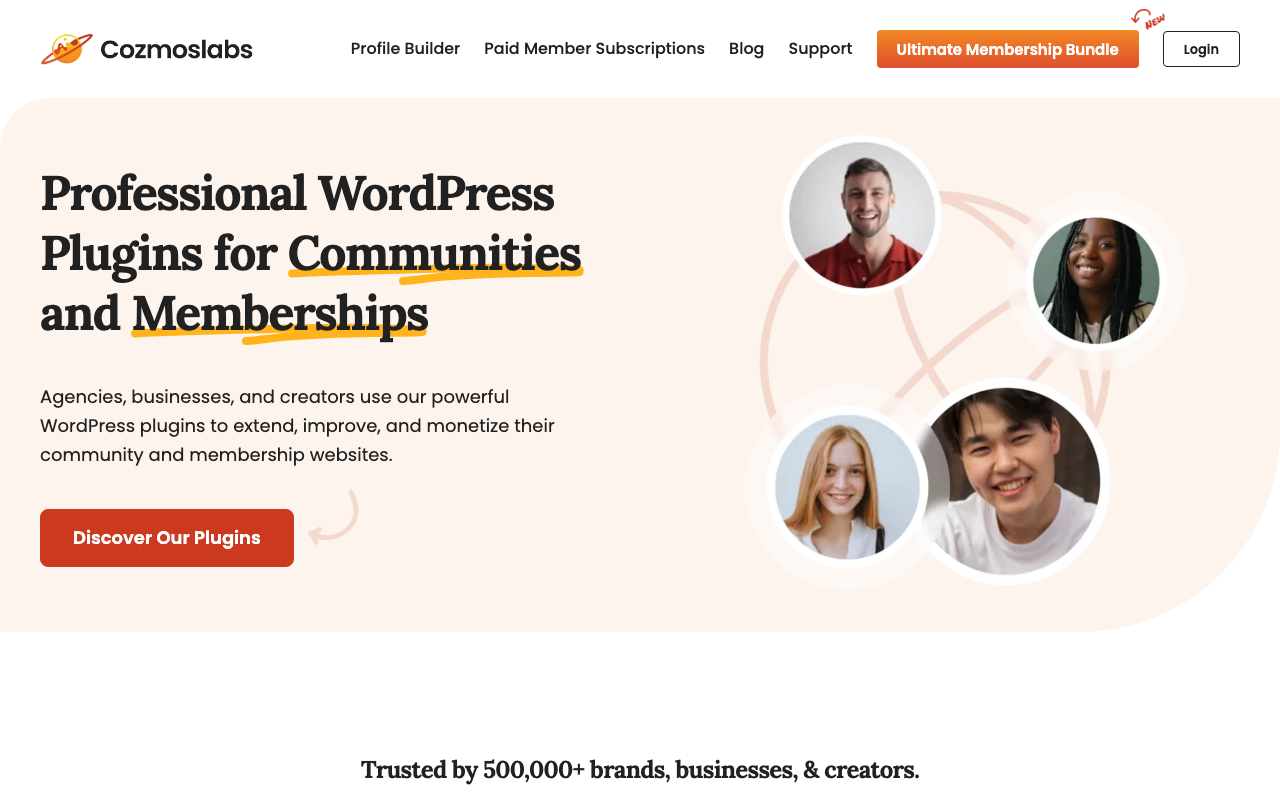
Cristian closed the presentations. He brought Cozmoslabs and a portfolio of WordPress plugins: TranslatePress for multilingual sites, Profile Builder
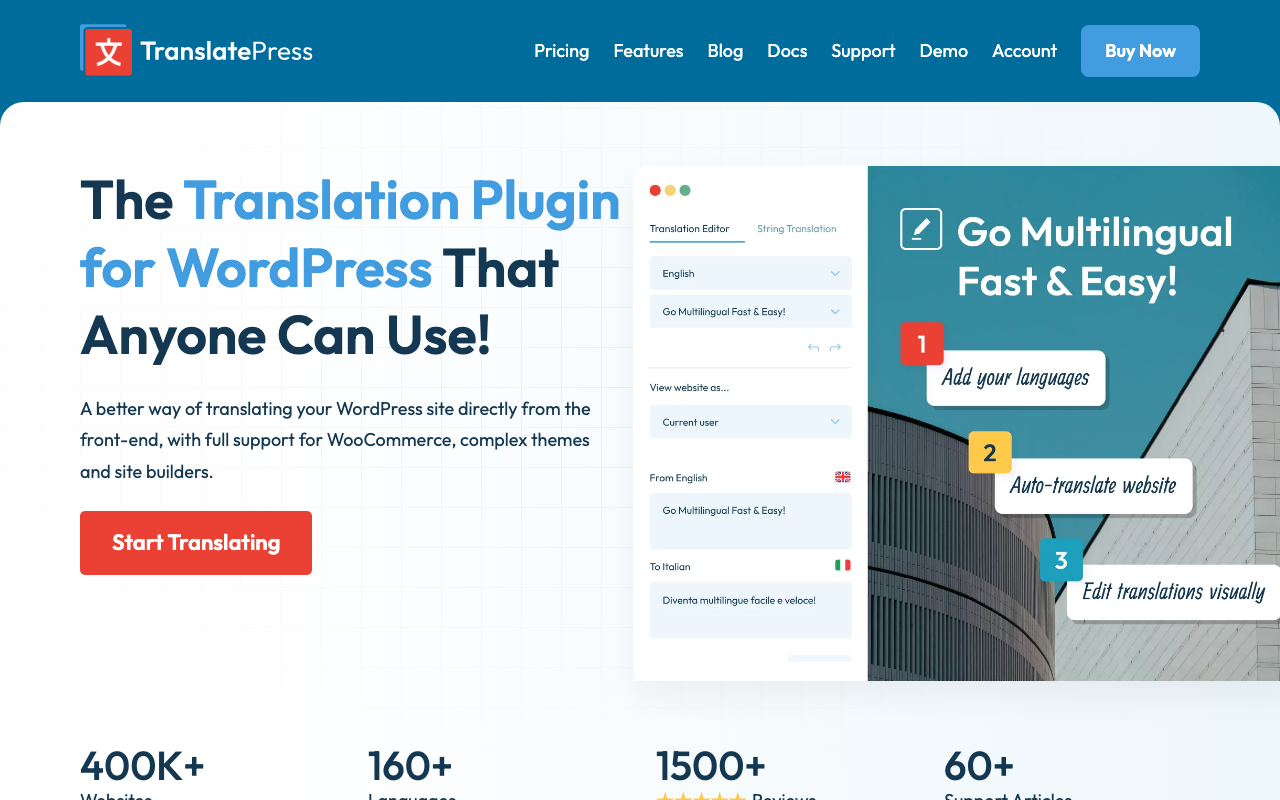
for custom user registration, and Paid Member Subscriptions for membership sites. Over a decade of shipping, and a story that started long before any product existed.
In the early days, Cristian was writing programming tutorials on the Cozmoslabs blog. No product to sell, no grand strategy. Just useful content. That content became the foundation for their SEO, and it still drives traffic today. The products came later, born from what their clients kept asking for. Every plugin Cozmoslabs builds starts with a real problem that clients have, because they know it will take about a year to execute properly. So they are picky. They do not chase trends or build features on speculation.
The full origin story is worth reading: it is a case study in patience.
Full translation means translating the content AND the URL slugs. A page at /ro/servicii/ ranks better in Romanian search than /ro/services/. Use hreflang tags to tell Google which language version to show each user. Start with your highest-traffic pages and expand from there.
Cozmoslabs started by publishing programming tutorials with no product behind them. That content built domain authority, attracted an audience, and created the SEO foundation that still drives traffic years later. If you start writing only after you have something to sell, you are already behind. The best time to build your content foundation is before you need it.
Cozmoslabs still publishes articles, but they prioritize quality over quantity. Every piece is well-researched, genuinely useful, and built to last. High-quality, low-volume content builds trust with both readers and search engines. A single article that answers a real question thoroughly will outperform ten shallow posts competing for the same keywords.
Every Cozmoslabs product started with a problem their clients kept running into. They do not build on speculation or trends. When you know a product will take a year to execute, you need to be certain the problem is real. Spot the pattern in client requests, validate that the pain is genuine, and only then commit to building. Being picky about what you build is a feature, not a limitation.
Bogdan wraps up with Event Newsletter
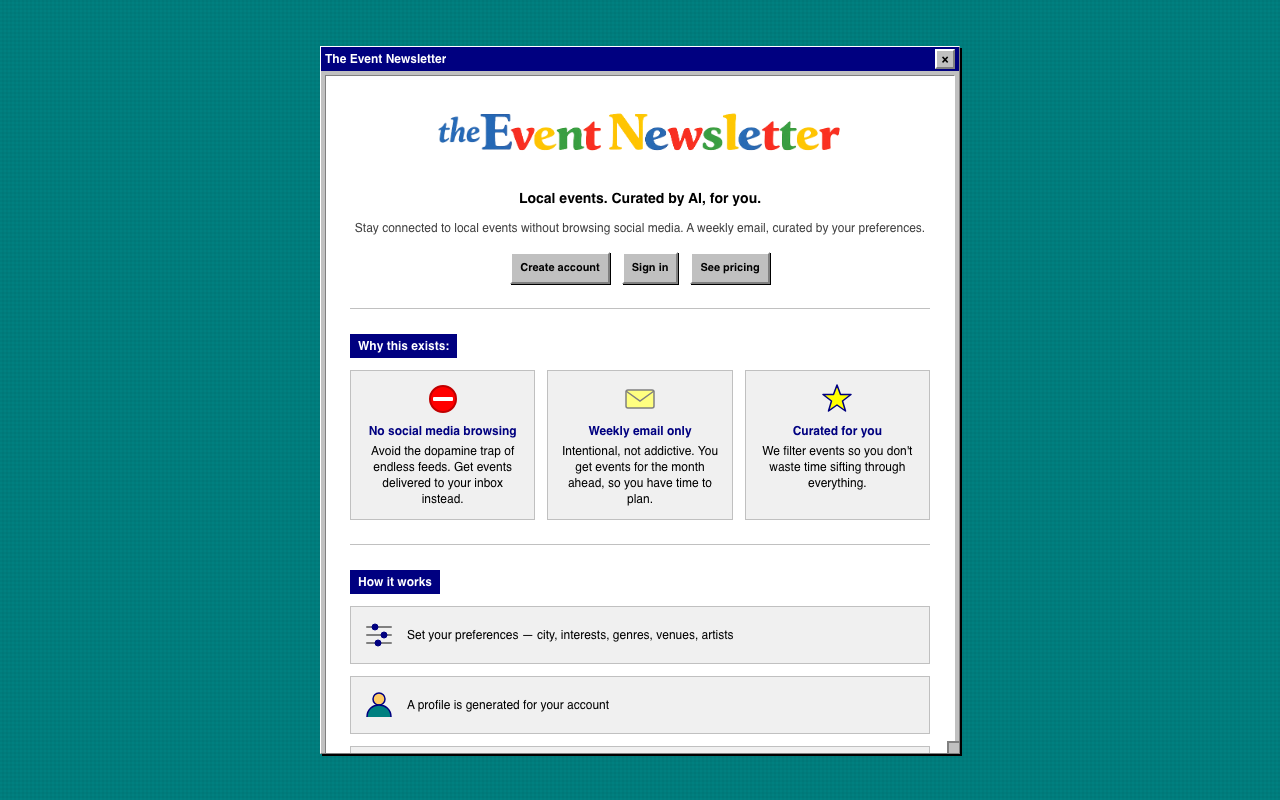
Bogdan closed the evening with Event Newsletter, his personalized weekly digest of local events. The room liked the retro design, and the niche felt right: event discovery is a real problem, and nobody is solving it well for smaller cities. Bogdan had been the most active questioner all night, asking about every SEO tactic that came up. He is not doing any SEO yet but wants to start, and the group gave him a crash course throughout the evening. The feedback also touched on the AI models he is using to curate and summarize events for the newsletter, with suggestions on which ones might work better for his use case.
The conversation kept going past 9 PM. Someone suggested the next meetup should focus on pricing strategies, someone else wanted to talk about cold outreach. The usual problem: too many good topics, not enough evenings.
Advice from this event
 Product
Record videos with your face in the corner
Use Loom or similar tools to record product walkthroughs with your face visible in the corner. People trust faces. These videos work as blog post embeds, YouTube content, and social proof simultaneously. Pages with face-in-corner walkthroughs consistently convert better than text-only pages.
 SEO
SEOCreate infographics for blog posts and backlinks
Infographics get shared and linked to far more than plain text. Create one per major blog post. Use Canva or Figma to visualize your key data points, then offer an embed code below the image so other bloggers can easily reuse it. This is one of the most reliable passive backlink strategies.
 Distribution
Get backlinks from Blogger, Wikipedia, and YouTube
Create profiles and content on high-authority platforms. Write a Blogger post linking to your product. Add your tool to relevant Wikipedia lists (following their guidelines). Create a YouTube video and include your link in the description. Each of these platforms passes significant domain authority through their backlinks.
DistributionGet listed on no-code platforms for free backlinks
Integrate with Zapier, Make.com, n8n, and other workflow tools. Each platform gives you a listing page with a backlink to your domain. The integration itself doesn't need to be complex: even a simple webhook trigger is enough to get listed. This is free, permanent, and builds domain authority over time.
SEOCreate localized landing pages at scale
Build pages targeting "[product/service] in [city/country]" and "[integration] in [city/country]" combinations. Automate the page structure but keep the content genuine. Each page should have real, location-specific information, not just a city name swapped in a template. This is how you capture long-tail local search traffic with almost no competition.
DistributionPublish to app stores for authority backlinks
Even if your product is primarily web-based, publish a simple mobile wrapper to the App Store and Google Play. The backlinks from apple.com and google.com are extremely high authority. A basic WebView wrapper with push notifications takes a weekend to build and gives you two of the strongest backlinks on the internet.
SEOAdd internal links between every page
Every page on your site should link to at least 2-3 other relevant pages. Internal linking helps Google discover your content, distributes page authority, and keeps visitors engaged longer. Audit your site for orphan pages (pages with zero internal links pointing to them) and fix them. Use descriptive anchor text, not "click here."
SEOAdd FAQ sections with FAQPage schema to every page
Write real, human-authored FAQ sections for every page on your site. Use FAQPage structured data so Google can surface your answers as rich results. The key is writing questions your users actually ask, not keyword-stuffed filler. Check Google Search Console for queries people already use to find you, then answer those directly on the page.
SEOCreate Careers, About Us, and team pages to build trust
Google evaluates trust signals when ranking your site. A Careers page, an About Us page, Privacy Policy, Terms of Service, and content showcasing team building experiences all signal that there is a real organization behind the site. Include team photos, company culture, and hiring information even if you are not actively recruiting. These pages build trust with both search engines and visitors, and attract backlinks from directories that list companies with public hiring or legal pages.
SEOPublish one article per day instead of batching
Publishing one article per day is far more effective than dropping a batch of articles all at once. Search engines treat a sudden burst of content as suspicious, potentially flagging it as spam. A steady daily cadence signals consistent, genuine content production. It also gives each article time to get indexed and start ranking before the next one competes for attention.
SEOTranslate every page including the URL slugs
Full translation means translating the content AND the URL slugs. A page at /ro/servicii/ ranks better in Romanian search than /ro/services/. Use hreflang tags to tell Google which language version to show each user. Start with your highest-traffic pages and expand from there.
SEOWrite useful content before you have a product to sell
Cozmoslabs started by publishing programming tutorials with no product behind them. That content built domain authority, attracted an audience, and created the SEO foundation that still drives traffic years later. If you start writing only after you have something to sell, you are already behind. The best time to build your content foundation is before you need it.
SEOPublish high-quality articles at low volume
Cozmoslabs still publishes articles, but they prioritize quality over quantity. Every piece is well-researched, genuinely useful, and built to last. High-quality, low-volume content builds trust with both readers and search engines. A single article that answers a real question thoroughly will outperform ten shallow posts competing for the same keywords.
ProductBuild products from real client problems, not speculation
Every Cozmoslabs product started with a problem their clients kept running into. They do not build on speculation or trends. When you know a product will take a year to execute, you need to be certain the problem is real. Spot the pattern in client requests, validate that the pain is genuine, and only then commit to building. Being picky about what you build is a feature, not a limitation.
Join the next meetup
We meet regularly in Timisoara to share what we're building, swap tactics, and roast each other's products. Everyone is welcome.
Join us on Luma